
Web Application Penetration Testing: Protecting Your Online Assets
How testing uncovers vulnerabilities, strengthens security and builds customer trust
Your website or web application is often the first place customers interact with your business and one of the easiest targets for attackers. Web application penetration testing is the process of safely probing those systems to find and fix vulnerabilities before a real attacker exploits them.
If you store customer data, process payments, or manage any kind of online portal, regular testing isn’t optional. It’s part of maintaining security, compliance and trust.
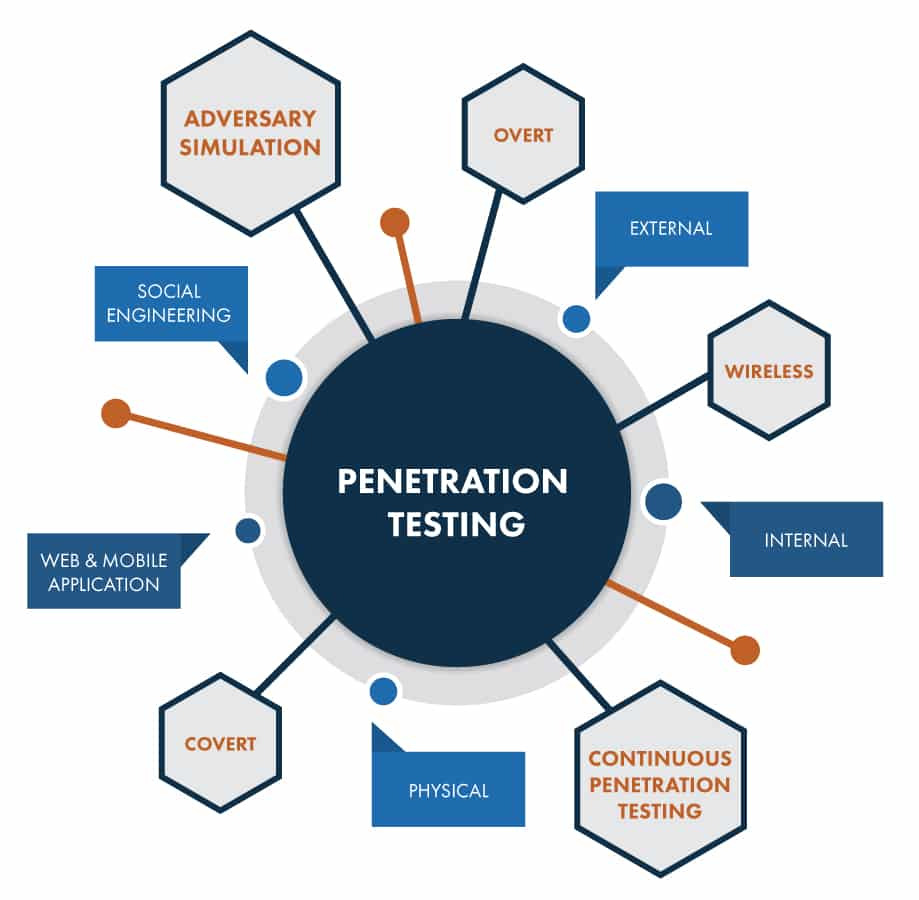
What is web application penetration testing?
In simple terms, it’s an ethical hacking exercise. A qualified tester uses the same techniques attackers use to identify weaknesses in your web app such as things like flawed authentication, insecure session handling, exposed APIs, or configuration errors.
The goal isn’t just to break in. It’s to show how someone could and what the impact would be if they did. That evidence gives your developers a clear roadmap to fix the issues and strengthen your defences.
Key areas typically covered include:
-
Authentication and authorisation controls
-
Input validation and injection vulnerabilities
-
Business logic flaws
-
Secure session management
-
API and backend integration security
Why every organisation needs testing
Web applications are among the most common entry points for data breaches. According to the Australian Cyber Security Centre, over 90% of reported compromises involve poor patching or insecure web systems.
Beyond risk reduction, penetration testing helps you:
-
Meet compliance obligations under frameworks like ISO 27001, SOC 2, or APRA CPS 234.
-
Demonstrate due diligence under the Australian Privacy Act.
-
Build customer trust by proving you take security seriously.
It’s also one of the few security controls that gives you tangible, real‑world insight—not just another automated report.
How often should penetration testing be done?
A common question is “how often should we test?” The short answer: at least annually, and after any major code change, system upgrade, or infrastructure shift.
If you run a high‑traffic or high‑risk application, like online banking, e‑commerce, or a SaaS platform, testing twice a year is a better rule of thumb.
Periodic testing ensures you’re keeping pace with both new vulnerabilities and changes in your own environment. You wouldn’t wait five years to service a car; your application shouldn’t go that long without a check‑up either.
What to expect from a Siege Cyber test
At Siege Cyber, every engagement begins with understanding your business goals and technical environment. Then we simulate real‑world attacks using both manual techniques and commercial‑grade tools.
You’ll receive a clear report outlining:
-
Which vulnerabilities were found
-
How they could be exploited
-
The potential business impact
-
Practical remediation guidance
Our testers present findings in plain English so you’ll understand the why as well as the what.
Visit our Penetration Testing service page for more detail on our approach and methodology.
Building long‑term security confidence
Penetration testing shouldn’t be a one‑off project done just to tick a compliance box. The real value comes from integrating it into your ongoing security programme.
We often help clients develop secure coding guidelines, repeatable remediation processes and policies aligned with frameworks such as the ASD Essential Eight. Over time, that shifts testing from being a reactive fix to a proactive quality check.
When combined with other measures like internal network testing, cloud configuration reviews, or an ISO 27001 readiness assessment you get full visibility of your security posture, not just a snapshot.
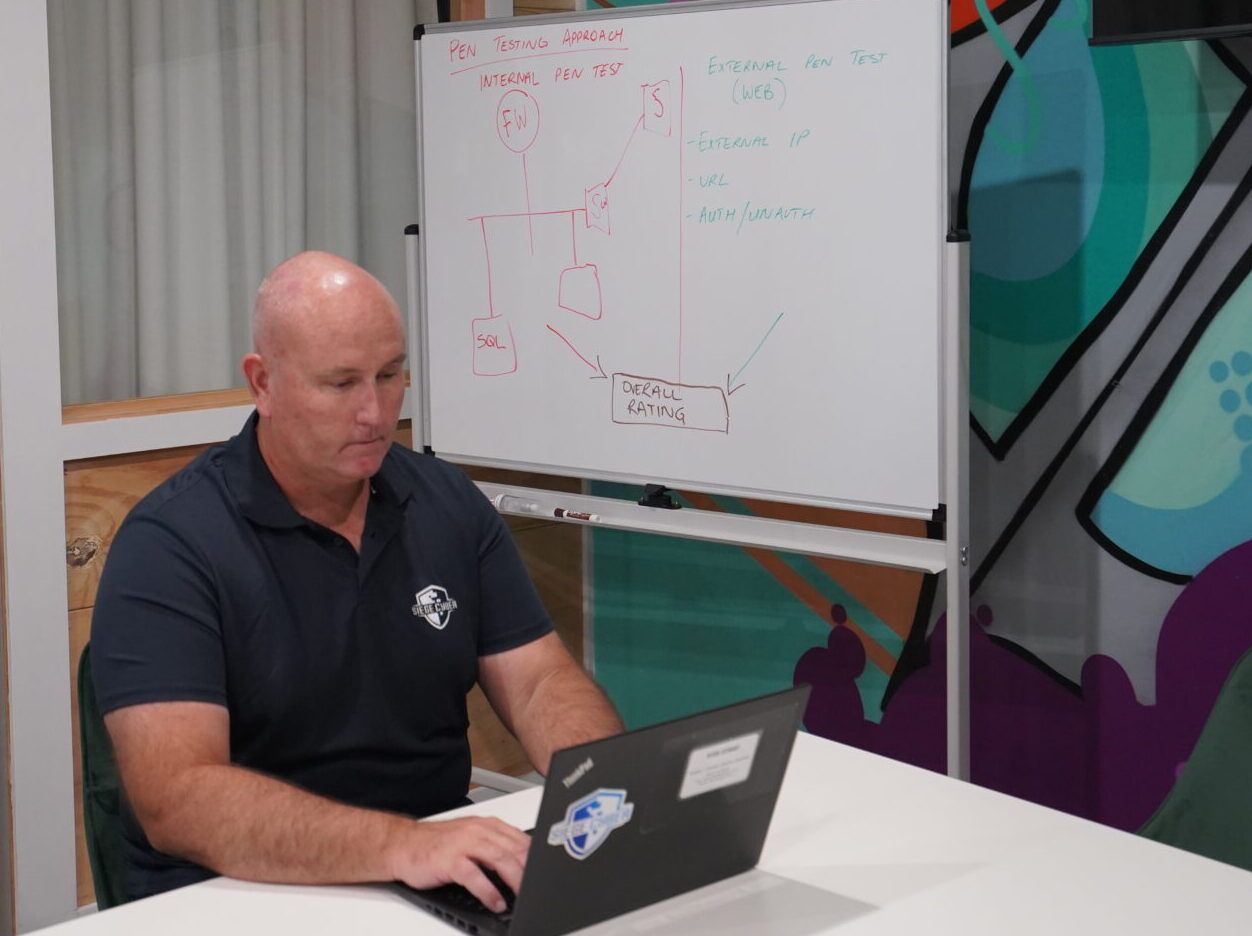
Ready to strengthen your defences?
Your web application is central to your business success and your exposure. Testing it regularly is one of the simplest, most effective ways to reduce risk and show customers you take protection seriously.
Visit siegecyber.com.au to request a quote or book a consultation. Our Brisbane‑based team can help you identify weaknesses, validate your controls, and provide clear actions to improve security without slowing down business.