
Using Vanta for SOC 2: What the Platform Does and Where You Still Need Help
If you are already using Vanta for SOC 2, you are ahead of a lot of Australian organisations. The platform takes a large amount of manual pain out of compliance work, especially around evidence collection and continuous monitoring, and it can sit across both SOC 2 and ISO 27001 so you are not juggling five different tools.
The catch though is that Vanta does not replace the judgement, strategy and local context needed to keep a SOC 2 auditor comfortable and your customers confident over the long term. The gap between having Vanta in place and holding a SOC 2 report you are confident to share with customers is where many teams still need a human guide.
SOC 2 in Australia: Where Vanta Fits and where experts add value
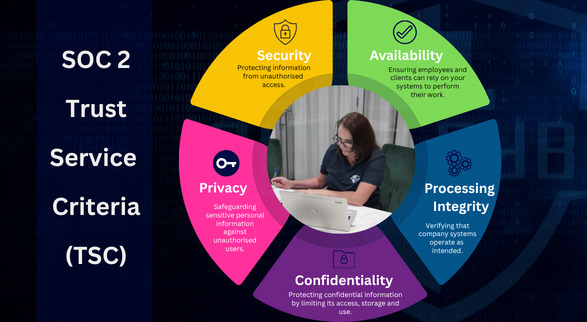
In Australia, SOC 2 is not mandated by law, but it has become a de facto requirement for SaaS, fintech, health tech and cloud providers that sell into US or global markets. Buyers and security questionnaires ask for a SOC 2 report because it is a recognised shorthand for strong controls around security, availability, confidentiality, processing integrity and privacy.
Vanta fits neatly into that picture. It connects to your cloud platforms, identity providers and device fleet, then automates a lot of the evidence your SOC 2 auditor will eventually need to see. For Australian companies that are short on internal security or GRC capacity, the appeal is obvious.
Where it does not fit is in signing the report or deciding what good looks like in your specific context:
-
A licensed CPA firm still has to run the SOC 2 audit and issue the report.
-
Someone still has to decide scope, select trust services criteria, interpret Australian regulations like the Privacy Act and APRA CPS 234, and map all of that to real controls.
That someone is rarely a software platform.
What Vanta does well for SOC 2 automation
Vanta is genuinely strong at several pieces of the SOC 2 puzzle. If you use it properly, you can expect it to:
-
Integrate with your core systems (AWS, Azure, GCP, GitHub, Okta, Google Workspace and more) and continuously check a large set of controls in the background.
-
Automate collection of routine evidence such as MFA being enforced, encryption at rest being enabled, device hardening settings, user access reviews and log retention.
-
Provide policy templates, task lists and mapped requirements for SOC 2 Type 1 and Type 2 so you know roughly what needs to exist.
-
Help you find and work with a Vanta‑vetted SOC 2 auditor once you are ready.
Used well, that can cut dozens of hours of spreadsheet work and screenshot chasing. One Australian guide notes that without automation, SOC 2 evidence can consume 10 to 20 hours a week for 6 to 12 months across multiple staff, which matches what we see in practice.
If you only need SOC 2 Type 1, Vanta can help you get to audit‑ready in a few months. For Type 2, the usual range from signing with a platform like Vanta to holding a report is five to fifteen months, because of the required observation period.
What Vanta cannot do: strategy, scope and risk decisions
The hard part for most Australian teams is not ticking technical checks. It is deciding what is in scope, what reasonable controls look like for their size and risk, and how SOC 2 fits with local obligations such as the Privacy Act, the Australian Privacy Principles, ASD Essential Eight and APRA CPS 234.
Vanta cannot:
-
Decide which systems, subsidiaries and third parties belong in your SOC 2 boundary, and which honestly do not. Over‑scoping sends costs and timelines up. Under‑scoping annoys auditors and buyers.
-
Interpret how SOC 2 trust services criteria interact with your Australian regulatory landscape or sector requirements.
-
Design realistic, risk‑based controls and processes that your team will actually follow, rather than ticking every possible box in the portal.
-
Run workshops with engineering, product and leadership to align SOC 2 controls with how your environment really works.
Most Vanta implementations still need someone to lead those strategy conversations and own the risk decisions. That is the gap where a SOC 2 specialist adds more value than another tool.
SOC 2 vs ISO 27001 for Australian SaaS: how Vanta handles both
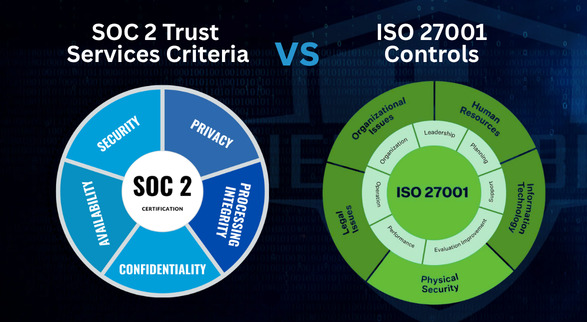
Many Australian SaaS teams are trying to juggle SOC 2 for US customers and ISO 27001 for larger or government‑adjacent deals. Vanta supports both frameworks, which is a genuine benefit if you plan ahead.
The platform can reuse a lot of your evidence across SOC 2 and ISO 27001, and it provides workflow support for both, but there are important differences:
-
SOC 2 is an attestation report against chosen trust services criteria, issued by a CPA firm, and scoped to a point in time or period.
-
ISO 27001 is a formal certification of your information security management system by an accredited certification body, with its own clauses and Annex A controls.
Vanta can show you which controls support both and which only belong to one framework, but it will not decide whether you should pursue SOC 2, ISO 27001 or both, or in what order, based on your customers, budget and risk appetite.
If that is where you are stuck, a short strategy engagement is usually much cheaper than learning by trial and error over a two‑year cycle.
Where Vanta users in Australia still struggle
Looking at Australian SOC 2 case studies and guidance, the same pain points appear again and again. Even with Vanta in place, organisations often:
-
Underestimate the internal time needed from engineering, security, HR and leadership for policy work, control design and audit meetings.
-
Leave Vanta’s default policy templates largely unchanged, so controls do not match how the business actually operates, which auditors will spot quickly.
-
Delay key structural work such as access control design, incident response planning, risk assessment and vendor management, because the tool does not force those decisions.
-
Treat SOC 2 as a one‑off project to win a deal, rather than an ongoing obligation that needs ownership, metrics and periodic internal audit.
If you recognise those patterns, you are not alone. Across a sample of Australian guides and case studies, lack of in‑house expertise and confusion about scope and auditor expectations are some of the most common SOC 2 blockers.
A short, targeted piece of help from someone who has been through dozens of audits can save months of spinning wheels here. If you are unsure whether your current Vanta set‑up is enough to satisfy a SOC 2 auditor in Australia, a readiness or gap assessment is usually the fastest way to get a reality check.
When to bring in a SOC 2 specialist (before your auditor does)
For most teams utilising Vanta we see there are a few clear signals that it is time to involve a specialist:
-
Sales is asking for a firm SOC 2 Type 2 timeline and you are not confident in your answer.
-
You have connected your systems to Vanta but policies, risk registers and incident response remain mostly placeholders.
-
You are unsure how SOC 2 evidence coming out of Vanta lines up with Australian expectations such as the Privacy Act, ASD Essential Eight maturity and APRA CPS 234 (if you are regulated).
-
You have had a rough experience with a previous audit, or you are trying to clean up after a Type 1 that was rushed.
At that point, it is much better to involve a SOC 2 consultant before you sign an audit engagement. Once the CPA firm is on the clock, rework is expensive.
Siege Cyber works with Australian SaaS and technology companies that use Vanta or Drata and want to get to audit‑ready with less friction. As an official partner of both platforms, we know how to use the automation properly, but we are independent of any one auditor or sales target. Our job is to make sure your controls make sense for your organisation and will stand up under questioning.
If you are weighing up SOC 2 against ISO 27001, or trying to do both, a short discussion can usually clarify which path makes the most sense and how to structure your Vanta environment to support it.
How Siege Cyber fits alongside Vanta
The short version is that Vanta handles the plumbing and Siege Cyber handles the thinking.
In practical terms, that usually looks like:
-
A SOC 2 readiness or gap analysis that reviews your current Vanta configuration, policies, controls and evidence against SOC 2 and relevant Australian obligations.
-
Help to design and document security practices that actually align with how your engineering and operations teams work, rather than forcing them into rigid templates.
-
Guidance on selecting trust services criteria, deciding scope, and choosing a SOC 2 auditor who understands Australian businesses.
-
Hands‑on support before and during the audit so your team is prepared for questions and does not spend weeks scrambling for missing artefacts.
If you are already looking at budget, Siege Cyber publishes transparent SOC 2 pricing on our site so you can see what support actually costs before you talk to anyone.
A lot of our work starts with Vanta users who thought they had everything covered, then realised they still needed a human guide to turn automation into a defensible SOC 2 story. If that sounds familiar, it is exactly the kind of problem we solve and you can reach out through our contact page to talk through what that might look like for your organisation.
Siege Cyber’s CERTIFY SOC 2 package covers the readiness work, the evidence and the audit liaison so you reach your report without guesswork. Get a Fixed-Price Quote.