
SOC 2 in Australia: Everything You Need to Know in 2026
If you are running a SaaS business, managing customer data, or selling into enterprise markets, you have probably been asked for a SOC 2 report. SOC 2 compliance Australia has become one of the most common requirements in vendor security questionnaires, particularly for companies dealing with US clients or regulated industries.
SOC 2 is not an Australian standard and it is not legally required here. It was developed by the American Institute of Certified Public Accountants (AICPA), but it has become the de facto trust standard for service providers globally. If you want to sell to enterprise customers or expand internationally, SOC 2 is often non-negotiable.
What is SOC 2?
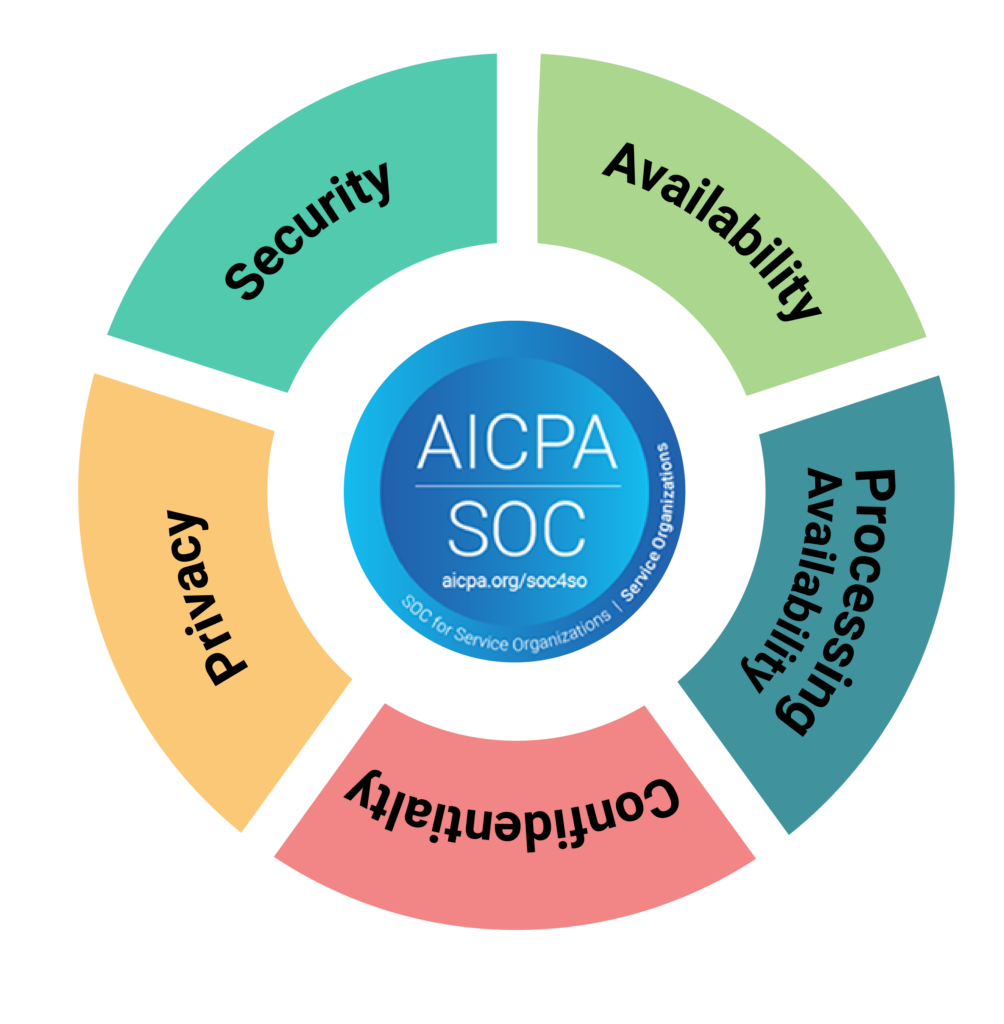
SOC 2 stands for Service Organisation Control 2. It is an audit framework that assesses how well your organisation protects customer data based on five Trust Services Criteria: security, availability, processing integrity, confidentiality, and privacy. Security is mandatory. The others are optional depending on what is relevant to your business.
The output is not a certificate. It is an audit report prepared by a licensed CPA firm. That report gets shared with your customers and prospects as evidence that your controls are designed properly and operating effectively.
SOC 2 Type 1 vs Type 2
There are two types of SOC 2 reports, and the difference matters.
Type 1 assesses whether your controls are suitably designed at a single point in time. The auditor reviews your policies, systems, and procedures to confirm they meet the Trust Services Criteria on the date of the audit. Type 1 audits typically take a few weeks to complete once controls are in place and cost between $10,000 and $20,000 AUD.
Type 2 goes further. It evaluates whether your controls are operating effectively over a sustained period, usually six to twelve months. The auditor collects evidence throughout that period to prove your controls work consistently, not just on paper. Type 2 audits cost between $15,000 and $40,000 AUD or more, depending on scope and complexity.
Most first-time organisations start with Type 1 to demonstrate initial compliance, then progress to Type 2 once their evidence collection processes mature. Enterprise customers and regulated industries typically expect Type 2.
If you are not sure where your organisation stands, a gap analysis is a good starting point. Siege Cyber offers these as a standalone service to help you understand what needs to be fixed before engaging an auditor.
Is SOC 2 Mandatory in Australia?
No. SOC 2 is not a legal requirement under Australian law. However, it is widely expected by global and enterprise customers as proof that you handle their data responsibly.
While SOC 2 itself is voluntary, it aligns with existing Australian regulations like the Privacy Act 1988 and APRA CPS 234. Organisations subject to these regulations often find that implementing SOC 2 controls helps them meet their compliance obligations more consistently.
For many Australian technology companies, SOC 2 has become a commercial requirement rather than a regulatory one. If your competitors have it and you do not, you are at a disadvantage during procurement.
Who Needs SOC 2 Compliance?
SOC 2 is most relevant for service organisations that store, process, or transmit customer data. This includes SaaS companies, cloud providers, managed service providers, fintech platforms, healthcare technology vendors, and IT consulting firms.
You should consider SOC 2 if you are regularly completing vendor security questionnaires, losing deals because you cannot provide a SOC 2 report, expanding into North American markets where SOC 2 is standard, working with enterprise clients in regulated industries like finance or healthcare, or raising capital and need to demonstrate governance maturity to investors.
How Much Does SOC 2 Cost?
The total cost of SOC 2 compliance in Australia typically ranges from $30,000 to $150,000 AUD, depending on company size, complexity, and readiness. This includes audit fees, consulting or vCISO support, security tooling, and staff training.
Audit fees alone range from $25,000 to $50,000 AUD. If you need external consulting to prepare, expect another $50,000 to $150,000 per year for vCISO or compliance advisory services. Security tooling such as SIEM, vulnerability management, and identity and access management platforms can add $10,000 to $80,000 annually.
Smaller organisations with fewer than 50 staff typically spend $30,000 to $60,000. Medium-sized companies with 50 to 200 employees spend $60,000 to $100,000. Larger organisations with over 200 staff can expect $100,000 to $150,000 or more.
These numbers might seem high, but the cost of not having SOC 2 is often higher. Lost deals, extended sales cycles, and repetitive security questionnaires add up quickly.
Preparing for a SOC 2 Audit
SOC 2 compliance requires more than policy documentation. Successful organisations follow a phased, evidence-driven approach.
Start by defining your scope. Identify which systems, services, and Trust Services Criteria apply to your audit. A vague scope leads to wasted effort and potential audit failures. Work with an experienced consultant to get this right from the beginning.
Next, conduct a readiness assessment to identify control gaps. This involves reviewing your current policies, procedures, and technical controls against the Trust Services Criteria. Document what is working and what needs to be implemented or improved.
Once gaps are identified, implement the necessary controls across people, process, and technology. This might include formalising your information security policy, implementing multi-factor authentication, establishing vendor risk management processes, creating an incident response plan, conducting regular vulnerability scans and penetration tests, or implementing centralised logging and monitoring.
Evidence collection is the most time-consuming part of SOC 2 Type 2. You need to prove your controls are operating effectively over six to twelve months. This means maintaining logs, conducting internal audits, documenting vendor compliance, and fixing gaps before external auditors arrive.
Siege Cyber helps Australian businesses navigate the entire SOC 2 process, from scoping and gap analysis through to audit readiness and ongoing evidence collection. As official partners of Vanta and Drata, we can also support organisations using compliance automation platforms but need expert guidance to actually achieve certification.
SOC 2 vs ISO 27001
Many Australian organisations ask whether they should pursue SOC 2 or ISO 27001. The answer depends on your market and customer base.
ISO 27001 is an international standard for information security management. It results in a formal certification that demonstrates your organisation has implemented a comprehensive Information Security Management System (ISMS). ISO 27001 is more prescriptive than SOC 2 and requires more documentation, including a risk assessment, Statement of Applicability, and formal internal audit process.
SOC 2, by contrast, is an audit report focused on how you handle customer data. It is more flexible than ISO 27001 because you choose which Trust Services Criteria to include beyond security. SOC 2 is typically preferred in North American markets, while ISO 27001 is more recognised in Europe and Asia.
The good news is that the two frameworks overlap significantly. Organisations that align SOC 2 controls with ISO 27001 or the Essential Eight maturity model reduce duplicated effort and strengthen overall cyber resilience. If you need both, it is more efficient to implement them together rather than sequentially.
Best Practices for Sustainable SOC 2 Compliance
SOC 2 should not be treated as a one-off project. Organisations that achieve sustainable compliance typically start with Type 1 before committing to Type 2, treat SOC 2 as a continuous compliance program rather than a single audit event, and use security tooling to generate reliable audit evidence automatically.
They also integrate SOC 2 with their broader governance and compliance operations. This includes aligning SOC 2 controls with ISO 27001, the Essential Eight, or other frameworks your organisation follows. It means embedding security into your product development lifecycle rather than bolting it on later. It also means training staff regularly so that security practices become part of company culture, not just an annual audit exercise.
Getting Started with SOC 2
If you are considering SOC 2 for the first time, start by understanding your current state. Conduct an internal review of your security controls, policies, and evidence collection processes. Identify which Trust Services Criteria are relevant to your business. Talk to your customers and prospects to understand their expectations.
Once you have clarity on scope, engage an experienced consultant to conduct a formal gap analysis. This will give you a roadmap of what needs to be implemented before you engage an auditor. Expect the full process from initial scoping to receiving your Type 2 report to take twelve to eighteen months, depending on your starting point.
SOC 2 is an investment, but it is one that pays off through shorter sales cycles, fewer security questionnaires, and stronger customer trust. For Australian businesses competing in global markets, it is becoming table stakes.
Siege Cyber has been helping businesses across Australia with penetration testing, compliance, and cyber risk for over 20 years. If you’d like to discuss what type of testing makes sense for your organisation, or if you’re preparing for an ISO 27001 or SOC 2 audit and need testing as part of that process, get in touch.
You can reach us at siegecyber.com.au or email [email protected] directly. We’re based in Brisbane but work with clients across the country.