SOC 2 for Startups: When to Start and How to Do It Without Breaking the Bank
If you run a SaaS company, you will hit a point where every enterprise prospect starts asking about SOC 2 compliance for startups, often before you feel ready for it. SOC 2 for startups in Australia can feel like an expensive, confusing box to tick, but it does not have to be. Done well, you can get SOC 2 on a startup budget, in a way that actually improves how you run the business rather than just feeding auditors.
This article walks through when it makes sense to take SOC 2 seriously, where the money goes and some practical ways to keep momentum and costs under control.
SOC 2 in one minute
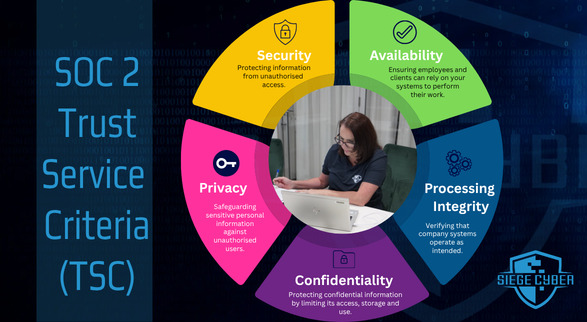
SOC 2 is an independent assurance report that says an external auditor has tested your controls for things like security, availability and confidentiality and found they are designed and operating effectively over a period of time. It is built around the AICPA’s Trust Services Criteria and is widely recognised in the US and increasingly expected for B2B SaaS selling into larger customers.
From a startup’s point of view, SOC 2 is about three things:
-
Showing larger customers that you take security and privacy seriously.
-
Reducing friction in sales cycles by answering security questionnaires with one report.
-
Building better internal discipline around how you handle customer data.
You do not need SOC 2 to have good security, but if you want to sell to certain segments, you will find it hard to avoid.
SOC 2 for startups in Australia: when should you actually start?
There is no single magic revenue number, but there are clear signals that it’s time to move SOC 2 from something you’ll do sometime in the future, to a more immediate priority.
Strong signs include:
-
Your sales team is being blocked by security questionnaires and “must have SOC 2” requirements in RFPs.
-
You are handling sensitive data for offshore customers, especially in the US, and privacy is a key buying concern.
-
You are planning a funding round where enterprise traction is a story you want to tell.
For many Australian SaaS startups, SOC 2 starts to matter somewhere between late seed and Series B. Before that, you can often get by with good security practices, a clear explanation of your controls, and alignment to frameworks like the ASD Essential Eight and ISO 27001, without a formal SOC 2 report.
The key is this: you want to start your SOC 2 readiness work a few quarters before you absolutely need the report in hand, so you are not doing everything in a panic.
If you are unsure where you sit, a short SOC 2 readiness discussion can help you decide whether this is a ‘this year’ or ‘next year’ problem. Siege Cyber does this kind of triage all the time for growing SaaS teams.
Where SOC 2 money goes on a startup budget
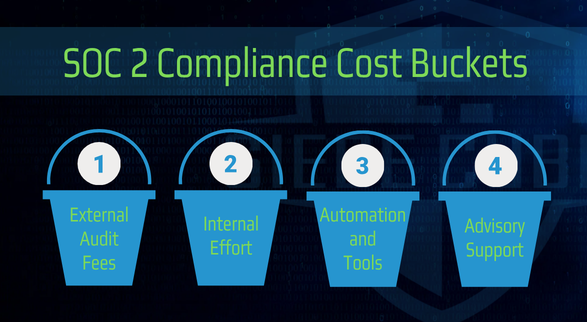
SOC 2 compliance for startups has four main cost buckets:
-
External audit fees. A licensed CPA firm needs to issue the SOC 2 report. For a smaller, single‑product SaaS, you are typically looking at tens of thousands, not hundreds of thousands, and Type 1 is cheaper than Type 2.
-
Internal effort. Founders, engineering, product and ops teams need to define and embed processes, respond to audit requests and keep evidence flowing. This is often the most painful cost because it competes with shipping product.
-
Tools and automation. Platforms like Vanta and Drata can automate evidence collection, control monitoring and policy attestations, which saves time over the long term, but they still need setup and ongoing care.
-
External support. Advisory and hands‑on help to define scope, map controls, close gaps and get you through the first audit with minimal rework.
The mistake many startups make is overspending on one of those buckets without getting the basics right. For example, buying a SOC 2 tool but not changing any practices, or racing into an audit before they have closed obvious gaps.
A more sustainable approach is to right‑size each bucket: start with lean scope, avoid unnecessary Trust Services Criteria, and use external support to steer you away from expensive dead ends.
A sensible timeline: when to start and what to do first
For most early‑stage SaaS businesses, a realistic first SOC 2 plan looks like this:
-
Phase 1: Decide if SOC 2 is actually the right next step. Clarify your customer and investor drivers and check whether ISO 27001, a lighter‑weight security statement, or an Essential Eight uplift might be a better short‑term move.
-
Phase 2: SOC 2 readiness. Define scope, pick the Trust Services Criteria, map your current controls, and run a gap analysis against what the auditor will expect.
-
Phase 3: Fix the right things. Focus on controls that materially reduce risk and unblock the audit: asset management, access control, change management, logging and monitoring, incident response, vendor management.
-
Phase 4: Evidence and automation. Decide which parts you will manage with a platform like Vanta or Drata, and which parts need manual processes and documentation.
-
Phase 5: Audit and follow‑through. Start with a Type 1 report if that makes sense, then move to Type 2 once your controls have been operating for long enough.
If your team is already fairly disciplined around cloud security, access control and change management, that whole journey can be done without blowing your budget. If not, the readiness phase is where you avoid expensive surprises later.
If you want to see what this looks like in detail, Siege Cyber has laid out our SOC 2 services at SOC 2 compliance, including the steps we take with Australian startups and SaaS companies.
How to keep SOC 2 costs under control
There are a few levers that make the difference between a manageable SOC 2 project and one that eats your runway.
First, keep the initial scope tight. You do not need to include every product, region and Trust Services Criterion in your first report. Many startups begin with the Security category only, limited to the main production environment and core product, then expand later as deals demand it.
Second, reuse what you already have. If you are already aligning to the ASD Essential Eight, using cloud security best practices or working towards ISO 27001, a lot of that work can be reused for SOC 2. There is no need to invent new processes from scratch if you already do something equivalent.
Third, use automation sensibly. Platforms like Vanta and Drata can be very helpful in collecting evidence from systems like AWS, Azure, Okta and Jira. They reduce manual admin and keep you honest between audits. What they do not do is make good decisions about scope, risk, or how to respond when an auditor asks “why did you design this control this way?”. That is where an experienced partner earns their keep.
Siege Cyber partners with both Vanta and Drata and often works with startups who have bought the platform but are stuck turning that investment into a clean audit. We help translate what the tool is telling you into practical changes and audit‑ready narratives, so you actually get the benefit of the platform rather than paying for an expensive dashboard.
Finally, avoid rework by doing a proper readiness pass. Going straight to audit without a gap assessment and some basic remediation almost always costs more in time, stress and follow‑up work.
How Siege Cyber helps startups get SOC 2 without wasting money
Siege Cyber works with Australian startups and SaaS companies that want to win bigger deals without turning into a compliance factory. Our SOC 2 readiness and audit support is built around three ideas:
-
Right‑sized scope. We help you define a lean initial scope that meets real customer expectations without dragging in every system you have.
-
Pragmatic controls. We design and refine controls that fit how your team already works, instead of imposing heavy, enterprise‑grade processes that no one will follow.
-
Fixed‑price support. We offer fixed‑fee SOC 2 readiness and support packages, so you know up front what you are committing to and can budget accordingly.
Because we also work across ISO 27001 and the Essential Eight, we can help you make sure SOC 2 does not become a one‑off project that sits off to the side. Instead, we align it with the broader security posture you need for Australian customers, Privacy Act obligations and for some sectors, APRA CPS 234 expectations.

Ready to talk about SOC 2 for your startup?
If you are weighing up SOC 2 for startups in Australia and trying to work out whether this is the right year to do it, the next step can be simple. Have a short, focused conversation with someone who has been through the journey with other SaaS founders.
Visit siegecyber.com.au, check out our SOC 2 services at SOC 2 compliance, or review our fixed‑price ranges at ISO 27001 and SOC 2 certification cost. Then get in touch via the site or at contact@siegecyber.com.au to book a call. We will talk through your product, customer pressures and current security maturity, and give you a clear, practical view of how to achieve SOC 2 on a startup budget without derailing everything else you need to deliver this year.
Siege Cyber’s CERTIFY SOC 2 package covers the readiness work, the evidence and the audit liaison so you reach your report without guesswork. Get a Fixed-Price Quote.