Is SOC 2 Mandatory in Australia? Understanding When You Need It
SOC 2 is one of the most common security frameworks requested by customers, especially in the SaaS world. But many Australian businesses ask the question: Is SOC 2 mandatory in Australia?
The short answer is, it’s not legally required, but it’s quickly becoming a commercial expectation. Especially for SaaS companies servicing global clients, it can make the difference between winning or losing a deal.
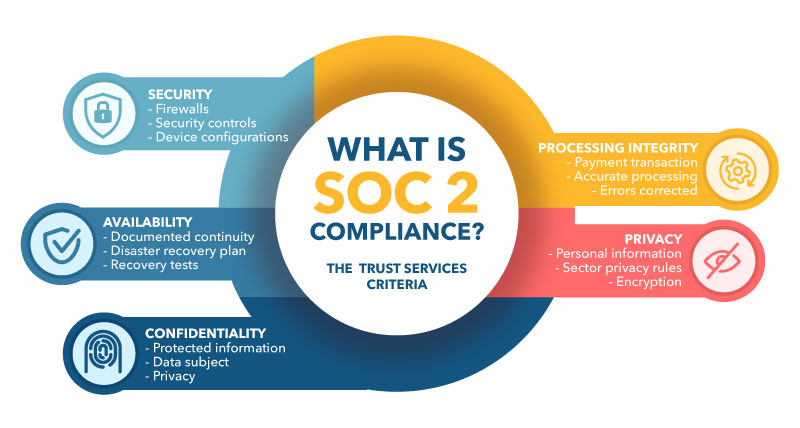
What SOC 2 actually is
SOC 2 stands for Service Organisation Control 2, a reporting framework developed by the American Institute of Certified Public Accountants (AICPA). It assesses how well a service provider protects customer data against five principles:
-
Security
-
Availability
-
Processing integrity
-
Confidentiality
-
Privacy
Think of it as an independent review of your security controls. It’s not a tick‑box audit, but proof that your business can be trusted with sensitive information.
Unlike ISO 27001, SOC 2 doesn’t issue a certification from a governing body. Instead, a licensed CPA firm produces a formal report (Type I or Type II) verifying how your controls stack up.
Is SOC 2 required under Australian law?
SOC 2 is not mandatory under any Australian regulation. There’s no law under the Privacy Act 1988, APRA CPS 234, or any other Australian data protection rule that explicitly demands a SOC 2 report.
However, many clients, particularly in sectors like finance, health, and SaaS, require SOC 2 compliance via contract. If your customers are in the US or work with international partners, you may find SOC 2 listed as a pre‑requisite for procurement.
For Australian companies, this effectively turns SOC 2 into a commercial requirement rather than a legal one.
Why SOC 2 matters for SaaS companies in Australia
For SaaS providers, trust is everything. Customers are handing over business‑critical data and want clear evidence that you’re taking care of it. SOC 2 provides that assurance.
A SOC 2 report helps you:
-
Meet procurement and vendor security requirements.
-
Align your practices with international standards.
-
Reduce time spent answering lengthy security questionnaires.
-
Win business with larger enterprise and government clients.
Even if your clients don’t explicitly ask for SOC 2, having it in place signals maturity and reliability. It shows you’ve gone beyond ticking compliance boxes and have embedded security into the way your business operates.
SOC 2 vs ISO 27001: which one should you choose?
Many Australian companies get confused between SOC 2 and ISO 27001. The difference lies in structure and audience.
-
ISO 27001 is an international standard that certifies your Information Security Management System (ISMS).
-
SOC 2 is a client‑facing report that demonstrates operational trust.
If you’re operating primarily in Australia or the EU, ISO 27001 often carries more weight. If you’re targeting US clients or want a framework that is more product and service focused, SOC 2 is usually the better fit.
In many cases, businesses benefit from doing both. Siege Cyber often helps clients map ISO 27001 controls to SOC 2, reducing duplication and audit fatigue.
How to prepare for SOC 2 readiness
Getting ready for a SOC 2 assessment isn’t just about paperwork. It involves aligning your internal policies, controls, and systems with the Trust Services Criteria.
Key steps include:
-
Scoping and gap analysis – identify the services and systems relevant to the audit.
-
Control implementation – ensure technical and procedural controls meet expectations.
-
Evidence collection – prepare documentation, logs, and proof of compliance.
-
Audit support – work with your chosen CPA firm to complete the Type I or Type II assessment.
Siege Cyber is a recognised partner with both Vanta and Drata and can help clients use these tools effectively while ensuring the controls are still properly designed and implemented.
How long does SOC 2 take?
A readiness project typically takes six to twelve weeks, depending on your size and existing controls. A Type II report, which measures performance over time, usually requires at least six months of evidence.
Planning ahead pays off. Businesses that approach SOC 2 as an ongoing security improvement project, not just a one‑time audit, see much stronger long‑term results.
What SOC 2 costs and how Siege Cyber helps
At Siege Cyber, we provide a realistic pricing model and transparent milestones, so you know exactly what’s involved before committing. You can review indicative pricing here:
https://siegecyber.com.au/#compliance-pricing.
Final thoughts: SOC 2 as a trust signal
SOC 2 might not be mandatory in Australia, but it’s quickly becoming the gold standard for proving your security commitment to clients, especially for SaaS providers and service organisations handling sensitive data.
If you deal with overseas clients, collect personal information, or manage third‑party integrations, it’s worth considering sooner rather than later.
Visit siegecyber.com.au to book a consultation or speak with our Brisbane‑based team about how SOC 2 readiness can strengthen your security operations and market reputation.