Is DISP Certification Mandatory in Australia?
If you work with Defence or are thinking about it, you’ve probably heard about the Defence Industry Security Programme (DISP) and wondered whether DISP certification is mandatory in Australia, or is it just nice to have?
The short answer is that DISP is mandatory in some scenarios, strongly expected in others and overkill for a lot of businesses. The challenge is knowing which camp you fall into and how to meet the right standard without overspending on security and compliance.
What is DISP and why does it exist?
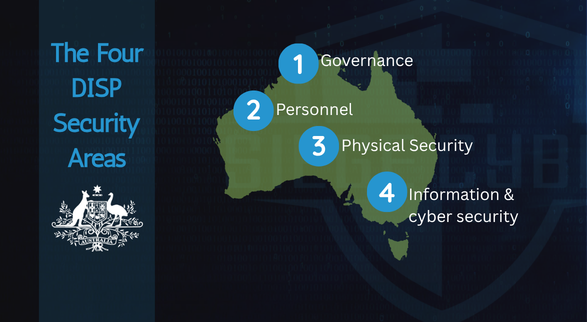
DISP is run by the Australian Department of Defence. It is designed to make sure organisations that work with Defence manage security properly across four main areas:
-
Governance
-
Personnel
-
Physical security
-
Information and cyber security
It is not just an IT badge. It is a whole‑of‑business framework that looks at how you protect Defence information, people and assets.
Because of that, DISP membership (or DISP ‘certification’, which is what most people call it) takes time and effort. It can also be a strong signal to Defence and large defence contractors that you take security seriously.
Is DISP REALLY mandatory?
So, is DISP mandatory? The honest answer is that it depends on what you do and who you do it for.
DISP is typically:
-
Mandatory when Defence or a major contractor makes it a condition of a specific contract or tender.
-
Expected or strongly preferred if you handle sensitive or classified information, or have access to Defence bases or systems.
-
Optional but advantageous if you are trying to stand out as a trusted Defence industry partner.
If your work is low risk, involves no access to Defence networks and only uses public information, DISP membership may not be mandatory for you right now. The trick is that many businesses only discover DISP is required when a tender drops or a major contractor asks for proof.
That is usually when the panic starts.
Is DISP certification mandatory in Australia for my business?
A better question than “is DISP certification mandatory in Australia” is “under what conditions is DISP mandatory for my specific business model?”
You are more likely to need DISP if you:
-
Access Defence facilities or secure areas
-
Connect to Defence networks or systems
-
Handle OFFICIAL: Sensitive, PROTECTED or higher classified information
-
Provide managed services that could impact Defence systems or data
You are less likely to need DISP today if you:
-
Sell off‑the‑shelf products with no special access
-
Only deal with public information
-
Work through a prime who fully insulates you from Defence data and environments
That said, DISP is increasingly used by Defence and major contractors as a filter when assessing potential suppliers. Even if membership is not strictly mandatory, not having it can put you at a disadvantage compared to competitors who are DISP ready.
If you are unsure where you sit, a short scoping conversation can save you months of guesswork and wasted effort.
Is DISP membership mandatory, or can I rely on other controls?
Another common question is whether strong internal security controls are sufficient on their own without DISP. Many organisations already invest in:
These are all positive signals. They show you take security seriously and can significantly reduce risk. However, they do not automatically replace DISP where Defence has decided membership is mandatory for a contract.
What they do give you is a running start. If you already have a solid security baseline, your DISP uplift is more about mapping and filling gaps than building from scratch.
Siege Cyber regularly helps organisations turn their existing ISO 27001, SOC 2 or Essential Eight work into DISP‑aligned evidence, rather than reinventing the wheel.
The main progression of DISP expectations
In practice, the expectations around DISP tend to follow a simple progression as your Defence involvement grows:
-
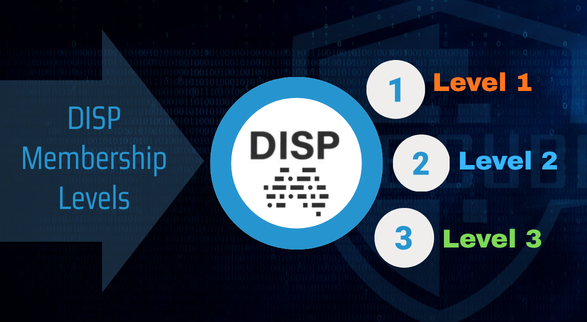
Level 1: DISP is not mandatory, but you are expected to meet basic good practice for cyber and information security.
-
Level 2: DISP membership becomes a strong expectation, especially when sensitive information or access is involved.
-
Level 3: DISP membership is explicitly mandatory as a condition of contract or facility access, with higher assurance requirements.
Understanding where you sit on that scale is important for planning. It affects not only whether you need DISP, but what level and how quickly you should aim to get there.

How long does DISP certification take?
DISP membership support vary based on your starting point and DISP level, but a rough pattern we see is:
-
Smaller, relatively mature organisations: several months to get to DISP ready, assuming you already have some policies, technical controls and evidence in place.
-
Larger or less mature organisations: longer, especially where cultural change, role‑based access, and physical security changes are needed.
This is one of the reasons it pays to start early. Waiting until DISP is mandatory for a live tender compresses everything into a stressful window and increases the risk of cutting corners.
If you want a sense check on how much work is involved for your specific environment, the DISP accreditation support is a good starting point.
If you are not sure where your organisation stands today, a focused gap analysis against DISP and the Essential Eight is often the most efficient first step. Siege Cyber offers these as standalone engagements and as part of broader DISP uplift projects.
What does DISP mean for your cyber security practice?
Even if DISP certification is not mandatory for you right now, the underlying expectations line up with better security across the board. For example:
-
Stronger identity and access controls
-
Clearer governance and accountability
-
Better logging, monitoring and incident response
-
Tighter handling of sensitive and classified information
These are the same areas that regulators and insurers are looking at. The Australian Signals Directorate has reported significant growth in cyber incidents year on year and many of those involve basic control failures that DISP and the Essential Eight are trying to address.
In other words, getting DISP ready tends to make you more resilient, not just more compliant.
How Siege Cyber helps with DISP readiness
At Siege Cyber, we spend a lot of time helping Australian organisations answer three practical questions:
-
Do we actually need DISP membership or can we meet Defence requirements another way?
-
If we do need DISP, what level and by when?
-
What is the most efficient path from where we are now to being DISP ready?
Our typical our DISP compliance service can include:
-
A lightweight readiness assessment to identify your gaps against DISP and the Essential Eight
-
Remediation planning across governance, people, physical security and cyber security
-
Hands‑on help with policies, technical controls, and evidence preparation
-
Ongoing advisory support so DISP does not become a one‑off “tick box” project
We also understand that budget is real. Siege Cyber publishes transparent pricing for compliance and assessment services, including DISP and other frameworks on our website. That way you can see early whether external help fits within your planning.

Ready to work out whether DISP is mandatory for you?
If you are still wondering whether DISP is mandatory for your organisation, you are not alone. The answer depends heavily on your contracts, data and access patterns.
What you do not want is to discover you need DISP membership only after an important opportunity lands on your desk.
If you would like a straight answer based on your current and planned Defence work, get in touch with Siege Cyber at siegecyber.com.au or via contact@siegecyber.com.au.
We can help you confirm whether DISP certification is mandatory in Australia for your situation, map the minimum work required and guide you step by step so you can focus on winning and delivering work, rather than decoding security paperwork.
Siege Cyber runs Essential Eight gap analysis and maturity uplift for Australian organisations, so you can see where each of the eight strategies actually sits. Get a Fixed-Price Quote.